
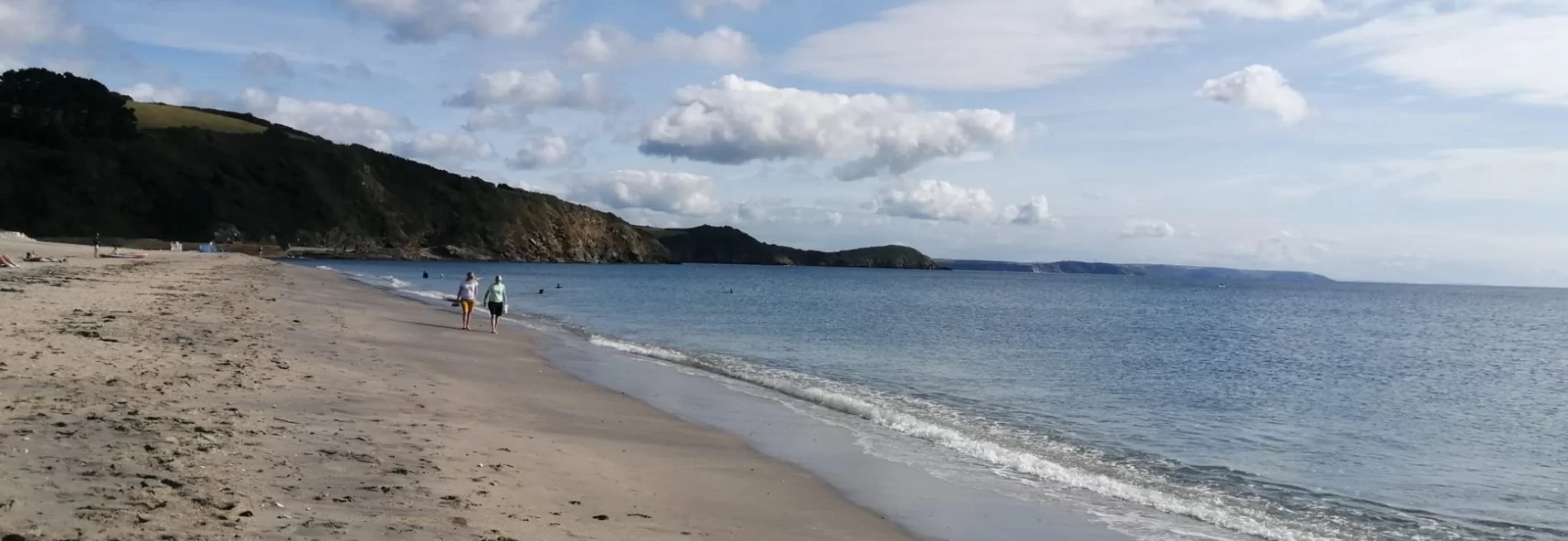
About Pentewan
Welcome to Pentewan, a charming coastal village with a fascinating history, nestled on the south coast of Cornwall. Today, visitors know it for its stunning sandy beach and peaceful harbour basin, but this quiet village was once a bustling industrial port. In the 19th century, Pentewan was a key harbour for the booming china clay (kaolin) industry, shipping the valuable white clay from the pits near St Austell all over the world. The historic harbour, designed by renowned engineer John Smeaton, is still the heart of the village, though it is now a tranquil haven for wildlife rather than a port for tall ships.
The old china clay railway that ran to the port has found a new life as the popular Pentewan Trail. This approximately 3.5 miles (around 5.6 km), mostly flat cycle path and footpath follows the route of the old railway alongside the St Austell (or ‘White’) River, providing a beautiful, traffic-free link from St Austell right to the beach. This trail, which is central to our cycle hire, is rich in natural beauty and industrial heritage.
Beyond the trail, Pentewan’s main draw is its magnificent, east-facing sandy beach, Pentewan Sands, which offers safe swimming and watersports. The village itself, though small, has a traditional pub and a few shops, and it serves as a wonderful access point to the South West Coast Path. Whether you’re here to cycle the trail, relax on the beach, or explore the area’s history, Pentewan is a true Cornish gem.
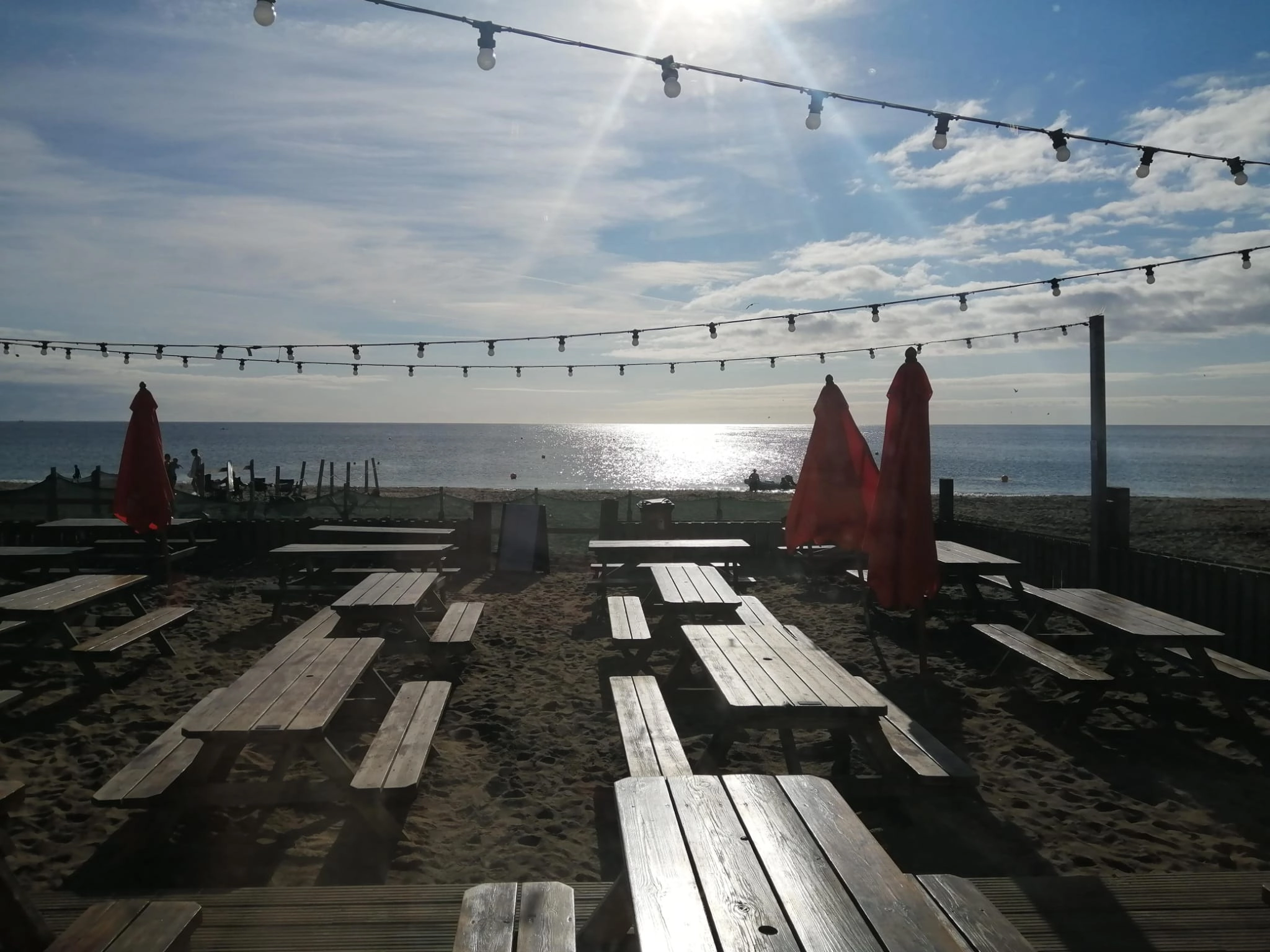
Food and drink on Pentewan Sands, photography by Emma Julian
The Village Hub
Overlooking the old harbour, The Ship Inn remains the centre of village life. It is a traditional spot in the truest sense—low ceilings, flagstone floors, and a wood burner that keeps the space warm during the colder months. Unlike many coastal pubs that quieten down in winter, The Ship retains a steady local trade and a welcoming atmosphere, serving proper Cornish ales and honest food. It acts as a comfortable refuge for walkers coming off the coast path.
Architectural Character
Just behind the harbour front, the village layout takes a distinct form. Dominated by All Saints Church, built in 1821, the central square feels more formal than many of Cornwall’s fishing hamlets. The church itself is worth noting for its unusual interior; the walls are painted a vivid yellow, a quirk that brightens the space even on grey afternoons. Surrounding this are terraces of cottages built from the same Pentewan stone as the harbour walls, giving the village a cohesive, honey-coloured aesthetic that stands out against the greenery of the valley floor.
Pentewan Sands: Where History Meets the Horizon
Stepping out from the cycle trail, you are instantly greeted by the glorious expanse of Pentewan Sands. This wide, east-facing beach is renowned for its distinctive, near-white sand and naturally sheltered position within St Austell Bay, making it one of the finest and most popular swimming spots on the south coast. The calm, clear waters are perfect for a refreshing dip, and the beach is a hub for watersports, offering ideal conditions for paddleboarding, kayaking, and windsurfing. Whether you’re building sandcastles with the family or simply relaxing with the sound of the sea, Pentewan Sands offers an exceptionally clean and well-maintained environment for the quintessential Cornish seaside experience.
A Coastline Steeped in History
Pentewan Sands holds a more fascinating past than its tranquil appearance suggests. The sand itself—near-white and particularly fine—is partly a physical legacy of the area’s rich china clay mining industry, washed down the valley over centuries. This industrial heritage is most evident at the village’s historic harbour, which you can easily walk to. Once one of Cornwall’s most important ports, the harbour was eventually severed from the sea by the very silting that resulted from the mining activities. Today, the water-filled basin is cut off from the beach by a bank of sand, standing as a striking and unique visual reminder of Pentewan’s thriving past as a global trade hub before it became a coastal haven for tourists.
The Hubbox: Laid-Back Beach Shack
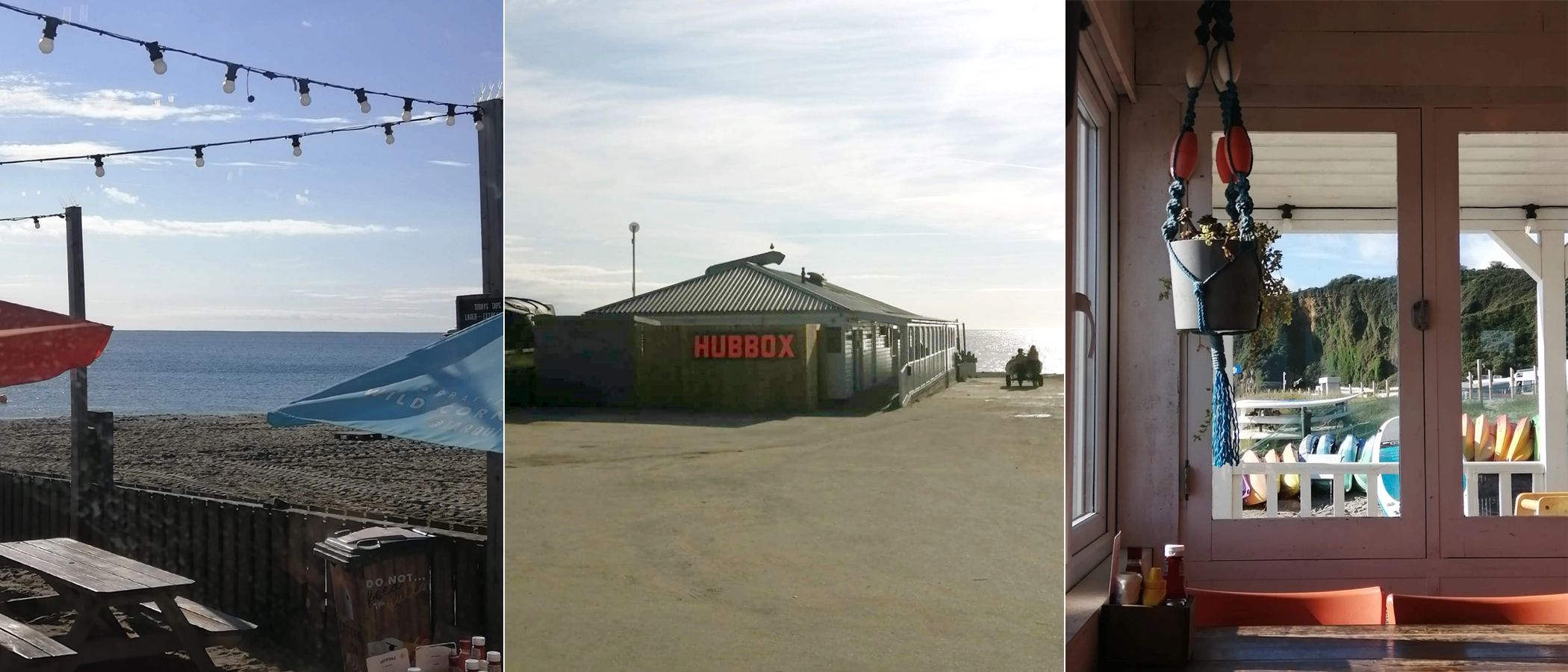
A taste of the coast: The Hubbox restaurant and stunning beach views, located right on Pentewan Sands, photography by Emma Julian
After exploring the Pentewan Trail or enjoying the sands, you won’t have to venture far for refreshments. The Hubbox at Pentewan Sands is best described as a laid-back beach shack, offering a truly unique dining experience set metres away from the Celtic sea. This popular spot serves up a fantastic menu focused on gourmet burgers and other local specialties. With ground-level seating and an upper deck area, you can enjoy award-winning food while taking in spectacular, unobstructed views across St Austell Bay—the perfect way to top off a day by the coast.
Touring the South Coast
Pentewan Sands makes an excellent base for exploring the wider south coast. If you are planning a touring holiday and looking for unique accommodation, we recommend Wild & Free Cornish Campers for vintage VW campervan hire.
Their classic 1974 camper, Pip, is fully equipped for a slow-paced Cornish road trip, allowing you to park up right by the beach before spending the day exploring the valley trails.
Main image by Emma Julian